Across sectors, leaders are facing a new reality: Diversity, Equity, and Inclusion (DEI) efforts have been questioned, politicized, and dismantled. From charged political discourse declaring DEI illegal to frozen and removed federal funding, work that once symbolized progress is now being branded the enemy of “American Exceptionalism.”
For many organizations, this moment feels disorienting, but clarity begins with truth. DEI isn’t failing; it’s being punished for revealing what power looks like when it’s shared. The backlash is not about the merit of equity work; it’s about discomfort with accountability.
As a leader, your role is to stay grounded in that truth. This is not the time to retreat or rebrand your values; it’s the time to reframe and reinforce them. The organizations that weather this moment will be the ones that understand DEI not as a program or a policy, but as an ethical design for how people, systems, and decisions coexist.
Here’s how to navigate the landscape and lead through it with integrity.
Understanding the Roots of DEI Pushback
The current backlash didn’t appear overnight. DEI programs were built to address systemic inequities and expand access to opportunity. Yet, as they’ve become more visible, some have reframed these efforts as divisive, suggesting that equity somehow means exclusion.
Much of this resistance stems from two intertwined realities:
Polarization: In a politically charged environment, equity language can be misrepresented as partisanship.
Performance fatigue: Some initiatives prioritized optics over outcomes, eroding trust among skeptics and participants alike.
Leaders must recognize both dynamics without abandoning the moral and strategic imperative of equity work. The goal isn’t to defend DEI from attack, but to reclaim it as design, not ideology.
🪶 When DEI becomes an act of repair rather than reaction, it regains its power to unite instead of divide.
Budget and Resource Constraints: Protecting the Core
When budgets tighten, DEI work is often the first to go; labeled “non-essential.” But the truth is, equity and belonging are infrastructure. They shape retention, morale, innovation, and risk management.
Instead of framing DEI as an expense, leaders should reframe it as a value multiplier:
Equity reduces turnover costs.
Inclusive leadership drives innovation and market relevance.
Belonging boosts performance and engagement.
If cuts are unavoidable, protect the core: invest in training for managers, sustain internal equity assessments, and preserve transparent data tracking. These are the foundation stones that keep equity embedded even during contraction.
💡 When equity is built into the system, not the surplus, it survives every season.
Internal Resistance: Engaging Without Alienating
Resistance within the workforce often comes from fear, fear of losing opportunity, identity, or familiarity. As a leader, your job is not to silence that fear, but to contextualize it.
Strategies for engagement:
Communicate the “why.” Frame DEI as a path to shared wellbeing, not zero-sum gain.
Share data and stories. Evidence helps, but human stories move hearts.
Make it clear that equity is not a favor to one group; it’s the mechanism through which everyone benefits from fairness and psychological safety.
Political and Cultural Influences: Staying Values-Anchored
The politicization of DEI has made some leaders cautious or silent. But silence communicates complicity. The key is not to avoid politics, but to speak from principle, not partisanship.
Anchor your messaging in organizational values and outcomes:
“We believe in fairness, dignity, and safety for all employees.”
“Our equity work supports innovation and client trust.”
“Inclusion helps us serve our community more effectively.”
This kind of language transcends political binaries and centers purpose. Courageous leadership means holding space for complexity while refusing to abandon integrity.
✨ Values should not bend to political weather. They should guide you through it.
Finding a Path Forward: Leading Through the Noise
To move from defense to design, focus your DEI strategy around clarity, adaptability, and transparency.
1. Emphasize measurable outcomes. Use data to tell the story, retention rates, promotion equity, and psychological safety scores. Make impact visible and specific.
2. Evolve programs, don’t freeze them. DEI should shift with your organization’s needs. Regularly audit what’s working, what’s performative, and where the real learning is happening.
3. Invest in continuous education and dialogue. Create forums for honest conversation, even discomfort. Discomfort isn’t failure; it’s feedback.
4. Model the work. Equity leadership starts at the top. Make accountability public and personal, not just structural.
5. Build allies, not echo chambers. Collaborate across departments. Integrate DEI into operations, strategy, and budget cycles, not just HR or communications.
In Closing: From Pushback to Progress
The backlash against DEI is not proof of its failure; it’s evidence of its impact. Systems resist when they’re being asked to change.
For leaders, the question is not whether to continue this work, but how to evolve it with courage, clarity, and care.
DEI or, more precisely, Access and Belonging, remains the blueprint for the kind of workplaces we all deserve: ones rooted in fairness, accountability, and humanity.
When done with integrity, it’s not about checking boxes or quieting critics. It’s about building cultures that can withstand any political season, because they’re built on values, not trends.
🧭 Liberation-centered leadership isn’t about avoiding conflict. It’s about staying aligned in the face of it.
As political rhetoric intensifies and DEI programs disappear, one truth remains clear: removing diversity and inclusion means removing access. When organizations dismantle DEI frameworks, they don’t just halt culture change; they roll back the very systems that make work safe, navigable, and humane. Accessibility, both physical and psychological, is one of the first casualties. Without structures that prioritize equity and inclusion, barriers reemerge: employees with disabilities lose accommodations, marginalized voices lose pathways to belonging, and entire workplaces lose the ability to function with care.
Accessibility isn’t a separate issue; it’s the operational heartbeat of DEI. When we erase DEI, we don’t create neutrality; we create exclusion. And exclusion doesn’t just harm individuals, it destabilizes teams, limits innovation, and erodes trust across entire systems of work.
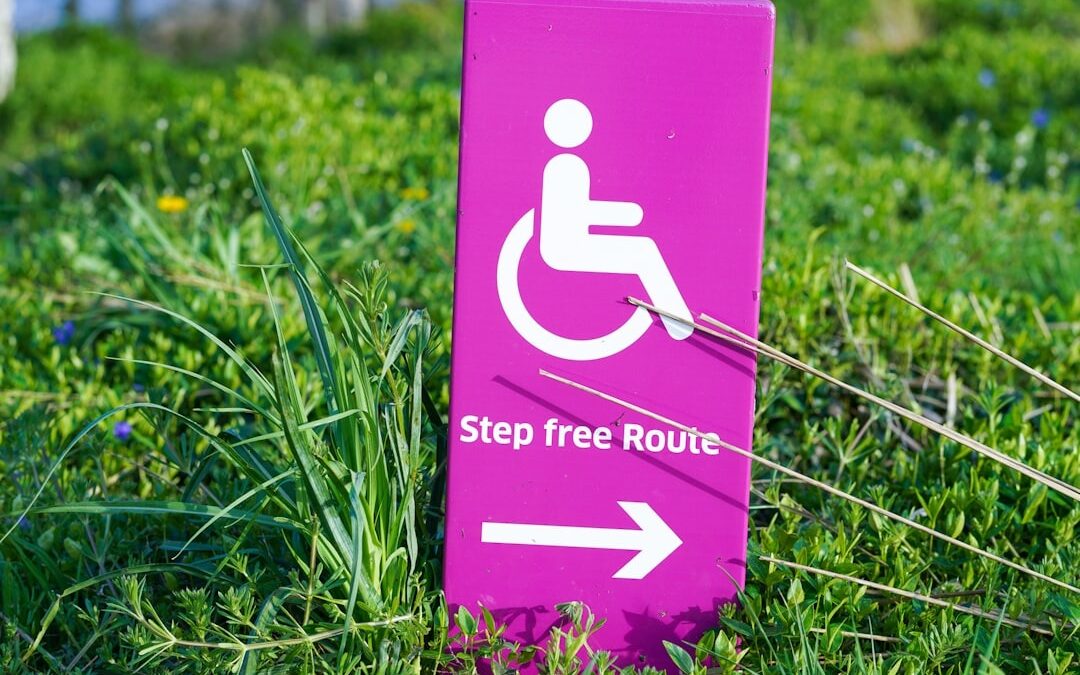
That’s why accessibility must move from the margins of compliance to the center of organizational design. It’s not a “nice-to-have,” and it’s not just about ramps or captions; it’s about how power, safety, and participation are structured within every aspect of business operations.
Why Accessibility Is the Backbone of DEI
When we talk about diversity, we often imagine representation: race, gender, identity. But diversity without access is performance. Accessibility ensures that inclusion is functional, not symbolic.
True equity asks:
Who can participate fully?
Who can contribute without harm or exhaustion?
Whose comfort, language, and safety are prioritized in our policies and spaces?
If accessibility is missing, even the best-intentioned DEI efforts collapse under their own contradiction. Accessibility is what transforms inclusion from invitation into integration.
🪶 Accessibility is how equity shows up in motion — it’s the design of belonging.
The Ripple Effect: Why Designing for Access Protects People and Strengthens Systems
When DEI disappears, the loss is not abstract; it’s operational. Accessibility is what makes safety, belonging, and performance possible in the first place. Without it, people can’t participate fully, systems fracture, and organizations quietly lose the very talent and trust that sustain them.
Designing for accessibility isn’t just about compliance or fairness; it’s about protecting the human conditions that allow work to happen at all.
When we embed accessibility into every layer of design, we create structures that are not only inclusive but also resilient.
Here’s what accessibility-centered design makes possible:
Psychological and physical safety: Clear communication, sensory-sensitive spaces, and equitable policies reduce harm, burnout, and anxiety, making workplaces safer for everyone.
Operational sustainability: Designing with multiple ways of working and learning in mind helps organizations weather turnover, crisis, and change without losing coherence.
Innovation and adaptability: When systems are built for a wide range of users, creativity flourishes. Constraints become design opportunities.
Expanded reach and reputation: Accessibility builds credibility, signaling that inclusion isn’t a slogan, it’s a structure. Customers, partners, and funders recognize integrity when they see it.
When you design for those who are most often excluded, you safeguard the conditions for everyone else to thrive. Accessibility is not a niche concern; it’s a measure of whether your organization can function with care.
✨ Accessibility is the architecture of safety. Without it, equity collapses — and with it, the trust that makes organizations work.n thrive.
How to Design for Accessibility
Accessibility isn’t a checklist; it’s a mindset. Here are the essentials for embedding it into your organization’s DNA:
1. Use Inclusive Language
Words shape belonging. Avoid ableist or exclusionary phrases like “wheelchair-bound,” “crazy,” or “normal.” Instead, use person-first or identity-affirming language, such as “person who uses a wheelchair” or “neurodivergent team member.”
2. Design Information for Everyone
Add alt text to images and ensure color contrast for text readability.
Use captions, transcripts, and descriptive audio for videos and presentations.
Test your website with screen readers and keyboard-only navigation. Accessibility statements aren’t just for compliance; they’re public commitments to care.
3. Build Access Into Policy and Practice
Equity doesn’t thrive on good intentions; it thrives on policy.
Create clear accommodation procedures for staff and participants.
Budget for accessibility features in every event, program, or publication.
Train teams in disability etiquette and universal design principles.
4. Involve People with Lived Experience
Nothing about us without us. Invite feedback from staff, clients, and community members with disabilities. Pay them for their expertise. Accessibility isn’t about perfection; it’s about partnership.
From Compliance to Culture
Accessibility must evolve from a technical checkbox to a cultural value, something woven through how we plan, hire, communicate, and lead. Compliance ensures legality; culture ensures belonging.
When organizations treat accessibility as an obligation, they do the minimum to avoid risk. When they treat it as culture, they redesign the system itself:
Meetings include multiple ways to contribute.
Policies are written in plain, inclusive language.
Feedback channels are open and safe.
Technology and environments are built for flexibility and care.
This shift transforms the workplace from a site of endurance into a site of engagement. It’s not about lowering standards — it’s about raising awareness of what true excellence requires: access.
🪶 When accessibility becomes culture, equity becomes instinct, not initiative.
In Closing: Accessibility Is the Future of Work
Accessibility is the connective tissue that holds DEI together. It’s what ensures that diversity isn’t symbolic, that equity is actionable, and that inclusion is sustainable. Without it, safety erodes — and so does innovation, trust, and community.
As DEI programs are dismantled under political pressure, we must remember this: accessibility is the last line of defense between justice and regression. It determines whether people can show up safely, lead authentically, and remain in the workforce at all.
Building accessible systems isn’t just the right thing to do — it’s how we future-proof our organizations. Access-centered design creates environments that adapt, include, and endure. It is not charity. It is strategy.
If your organization is ready to redesign its systems for access and belonging, All Voices Coaching can help you move from intention to implementation. Because the future of work is not simply diverse — it’s accessible.
✨ Accessibility isn’t the afterthought of DEI; it’s the proof that we meant what we said.
Across industries, “DEI” — Diversity, Equity, and Inclusion — has become both a rallying cry and a target. As organizations navigate growing scrutiny and political pushback, many leaders are asking: What now?
The truth is that DEI was never just a corporate initiative; it’s a commitment to designing workplaces where people can thrive, contribute, and belong. It’s not a fad, and it’s not charity. It’s strategy, integrity, and innovation in action.
This article explores how to evolve DEI beyond compliance or culture statements into a living, resilient framework that strengthens both your people and your business.
What DEI Really Means (and Why the Language Matters)
“Diversity, Equity, and Inclusion” are often treated as checkboxes, but they are better understood as practices of organizational health.
Diversity asks: Who’s in the room and who isn’t?
Equity asks: Who has access to opportunity, influence, and safety?
Inclusion asks: Who’s shaping the culture and whose voice is missing?
In my practice of leadership, I use a fourth frame: Access and Belonging. Because when DEI is done well, the outcome isn’t optics, it’s access: expanded pathways to leadership, opportunity, and innovation for everyone connected to your organization.
✨ In other words: DEI is not a moral accessory. It’s a blueprint for shared growth and sustainable success.
The Business Case — and the Human Case
Data consistently shows that diverse, equitable workplaces outperform their peers. Teams with inclusive cultures see higher creativity, stronger retention, and better problem-solving. But the “business case” is only part of the picture.
The human case for DEI is just as vital:
Inclusive environments reduce harm and burnout.
Equity in leadership and pay builds trust and retention.
Representation in decision-making produces better outcomes for everyone.
When people feel seen, respected, and empowered, performance becomes a byproduct of belonging.
Navigating the Backlash: Reframing Resistance
The current wave of anti-DEI sentiment has created confusion and fear in many organizations. Some have scaled back initiatives, fearing controversy. But retreating from equity work doesn’t neutralize tension; it reinforces inequity.
To lead through this climate, shift from defensiveness to clarity:
Center your values. DEI is about fairness, dignity, and shared prosperity, not politics.
Reframe DEI as design. It’s about creating conditions for success, not enforcing quotas or ideology.
Communicate your “why.” Tie your equity work directly to mission, service, and organizational health.
🪶 DEI isn’t under attack — systems of accountability are. That means your commitment matters now more than ever.
Strategies for Reimagining DEI in Practice
Design Hiring as Access, Not Optics Build hiring and promotion systems that look for potential and lived experience, not just credentials. Review job descriptions for bias, diversify hiring panels, and measure equity in outcomes, not just outreach.
Rebuild Leadership Pipelines Representation at the top shapes decisions everywhere else. Develop leadership coaching, mentorship, and sponsorship programs for historically excluded staff, and make them part of your formal leadership development structure.
Shift from Training to Transformation Workshops alone don’t change culture. Pair learning with system redesign; rethink how feedback, performance evaluation, and compensation align with inclusion.
Integrate Equity Into Operations Equity should live in your budgets, policies, and planning cycles, not just in HR or communications. Every decision-making process should ask: Who benefits? Who bears the burden?
Make DEI Transparent and Measurable Track your efforts as you would any other strategic goal: retention, promotion, pay equity, and satisfaction by demographic. Share your progress and your challenges openly. Transparency builds credibility.
Engaging Your Team Without Burnout or Tokenism
Inclusion can’t be imposed; it’s built through dialogue and shared power. Create multiple pathways for participation: listening sessions, working groups, and co-design spaces where staff can shape initiatives.
Recognize and compensate the invisible labor of equity work. Avoid expecting employees from marginalized groups to “fix” culture alone. DEI belongs to everyone, and leadership must resource it accordingly.
💬 True inclusion is when people don’t have to leave parts of themselves at the door to be seen as professional.
Leveraging DEI for Sustainable Success
When you move beyond performative efforts, DEI becomes an engine for innovation.
It strengthens brand trust by aligning values with action.
It increases resilience by equipping teams to navigate complexity and change.
It enhances decision-making by including diverse lived experiences and expertise.
Highlight your equity commitments in your hiring, partnerships, and public storytelling. Let your values be visible as truth in practice.
Facing Challenges with Courage
Yes, DEI work is hard. It asks organizations to look inward, to change habits, and to share power. But the alternative, complacency, costs more in morale, turnover, and lost creativity than any investment in equity ever could.
Courageous leaders treat resistance as feedback, not failure. They stay the course because equity isn’t a side project; it’s the future of ethical business.
In Closing
Diversity, Equity, and Inclusion, or Access and Belonging, aren’t political trends. They’re the practices that help businesses align integrity with impact. As the climate around DEI evolves, the question for leaders isn’t whether to continue, but how to continue with deeper conviction, clearer strategy, and stronger connection to community.
Your work in equity doesn’t end because the environment is hostile; it becomes more meaningful.